
Becoming Indispensable in an AI-Enhanced Appraisal Profession: A Conversation with Verl Workman
By Appraisal Institute
Artificial intelligence is now part of everyday business dialogue across professions, including real estate valuation. Automated analytics, embedded underwriting tools, and generative platforms are increasingly integrated into the professional environment that appraisers navigate. For business strategist and keynote speaker Verl Workman, the more important conversation is not about the technology itself, but rather about how professionals respond to it.
At the 2026 Annual Conference, Workman will challenge appraisers to think beyond tools and focus on something more enduring: systems, leadership, and the human edge that machines cannot replicate. While tools will continue to evolve, the defining factor will be how intentionally they are used within a structured business model.
When asked what skills matter most as artificial intelligence becomes more prevalent, Workman cites human judgment. Routine processes may become more efficient, but analytical reasoning remains central. The advantage is shifting away from simple data access and toward evidence architecture. In practical terms, that means structuring conclusions so they are defensible step by step. Potential comparable sales can be surfaced quickly. What sets the professional apart is the capacity to interpret them, identifying which transactions truly signal market behavior, weaving those signals into a coherent, evidence-based value opinion.
Context interpretation is equally important. Functional obsolescence, subtle location dynamics, and unusual buyer behaviors require more than pattern recognition. They require experience applied with discipline. Workman emphasizes that the appraiser who can articulate market psychology and behavioral nuance will remain highly relevant.
Beyond analytical skills, Workman sees a broader opportunity. The next phase of the profession calls for a shift toward business leadership where appraisers adopt a CEO mindset. Productizing services, documenting standard operating procedures, building repeatable workflows, and strengthening client relationships are foundational steps. Diversifying revenue sources and developing small, efficient support structures can reduce dependency on assignment volume alone. When business processes are clearly defined, technology can be integrated thoughtfully rather than reactively.
As Verl puts it, “The winners won’t be the best form-fillers. They’ll be the best problem-solvers, with the best systems.”
The conversation often turns to whether larger firms or solo practitioners stand to gain more from artificial intelligence. Workman acknowledges that larger organizations may initially move faster since they often have greater access to capital, staff dedicated to experimentation, and structured processes that allow new tools to be tested quickly. Over time, however, the advantage becomes less about size and more about discipline. A solo appraiser who approaches technology with structure can improve analytical speed, maintain consistency, and elevate report clarity. “You may not win on volume, but you can absolutely win on precision, complexity, and reliability,” Workman says.
For those who feel behind, Workman encourages a mindset change. "If you are a solo appraiser,” he says, “stop thinking like a sole proprietor, and start thinking like a micro-firm. Treat AI as a leveraged thinking partner – not a toy.” Artificial intelligence can assist with triaging comparable data, organizing research, generating counterarguments to test conclusions, and identifying areas that require stronger narrative explanation. The goal is not automation for its own sake. The goal is stronger reasoning supported by structured workflows.
One area Workman believes is underutilized is the analytical potential of generative tools. Many professionals use them primarily as writing shortcuts, but he sees greater value in using them to challenge assumptions. Artificial intelligence can generate opposing viewpoints, identify potential weaknesses in comparable selection, and simulate review questions before they arise. When applied this way, it becomes an internal debate partner that strengthens logic and defensibility.
Much of Workman’s career has focused on team development, but he recognizes that many appraisers work independently and advises that “even solo appraisers need a team, it just looks different.” Rather than isolating, they need to build three intentional support networks:
- Operational Network
- Strategic Brain Trust
- Relationship Network
Operational support with scheduling, formatting, or research can free cognitive bandwidth for higher-level analysis. A Strategic Brain Trust—in other words, a small peer circle –can provide thoughtful review, advice, or consultation on complex assignments. A strong Relationship Network with lenders, attorneys, and real estate agents grows your opportunities and your reputation. The networking events at the Appraisal Institute’s Annual Conference offer prime opportunities to make connections and build these circles of support.
When asked what single change could elevate an appraiser’s reputation with clients, Workman points to proactive communication. Confirming scope and timeline promptly, identifying potential issues early, and remaining available for brief clarification after submission distinguish professionals who are organized and accountable. Doing those three things “puts an appraiser in the top 10% for lenders and agents.” Adding a concise summary of the reasoning behind a value conclusion can further strengthen trust. “Underwriters love clarity, agents respect transparency, and lenders reward consistency,” he notes.
Workman describes the profession as being poised at an inflection point. “Appraisers are entrepreneurs with massive potential for disruption and leadership,” says Workman. Appraisers possess deep expertise, strong ethical foundations, and meaningful influence within the real estate ecosystem. The opportunity now is to align that expertise with disciplined systems and intentional leadership and move from survival mode into strategic positioning.
At the Annual Conference, his keynote will focus on disciplined execution in an environment saturated with new tools and options. His breakout sessions will provide a structured framework for integrating automation, analytical support tools, and personal relationship building in ways that strengthen both business performance and professional credibility.
As appraisers explore both mindset and implementation this year, Workman’s message sets the tone: “This isn’t just about learning new tools. It’s about becoming indispensable in an AI-enhanced world, and when you become indispensable, you win regardless of what technology does next.”
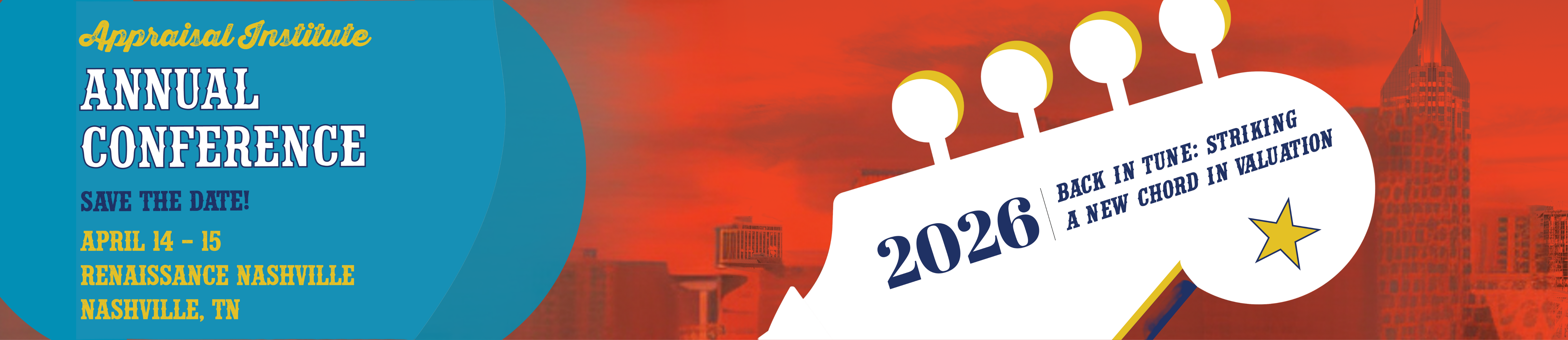
Join Verl Workman at the Appraisal Institute’s 2026 Annual Conference to learn more. Register today.
Verl Workman is the co-founder and CEO of Workman Success Systems, a business coaching company that helps professionals and organizations build high-performing teams through structured systems, leadership development, and disciplined business practices. As the keynote speaker for the Appraisal Institute’s 2026 Annual Conference in Nashville on April 14, he will also lead Business & Professional Development sessions focused on helping appraisers strengthen their businesses, build scalable systems, and remain indispensable in an AI-enhanced professional landscape.
 | Join Verl Workman at the Appraisal Institute’s 2026 Annual Conference to learn more. Register today. Verl Workman is the co-founder and CEO of Workman Success Systems, a business coaching company that helps professionals and organizations build high-performing teams through structured systems, leadership development, and disciplined business practices. As the keynote speaker for the Appraisal Institute’s 2026 Annual Conference in Nashville on April 14, he will also lead Business & Professional Development sessions focused on helping appraisers strengthen their businesses, build scalable systems, and remain indispensable in an AI-enhanced professional landscape. |